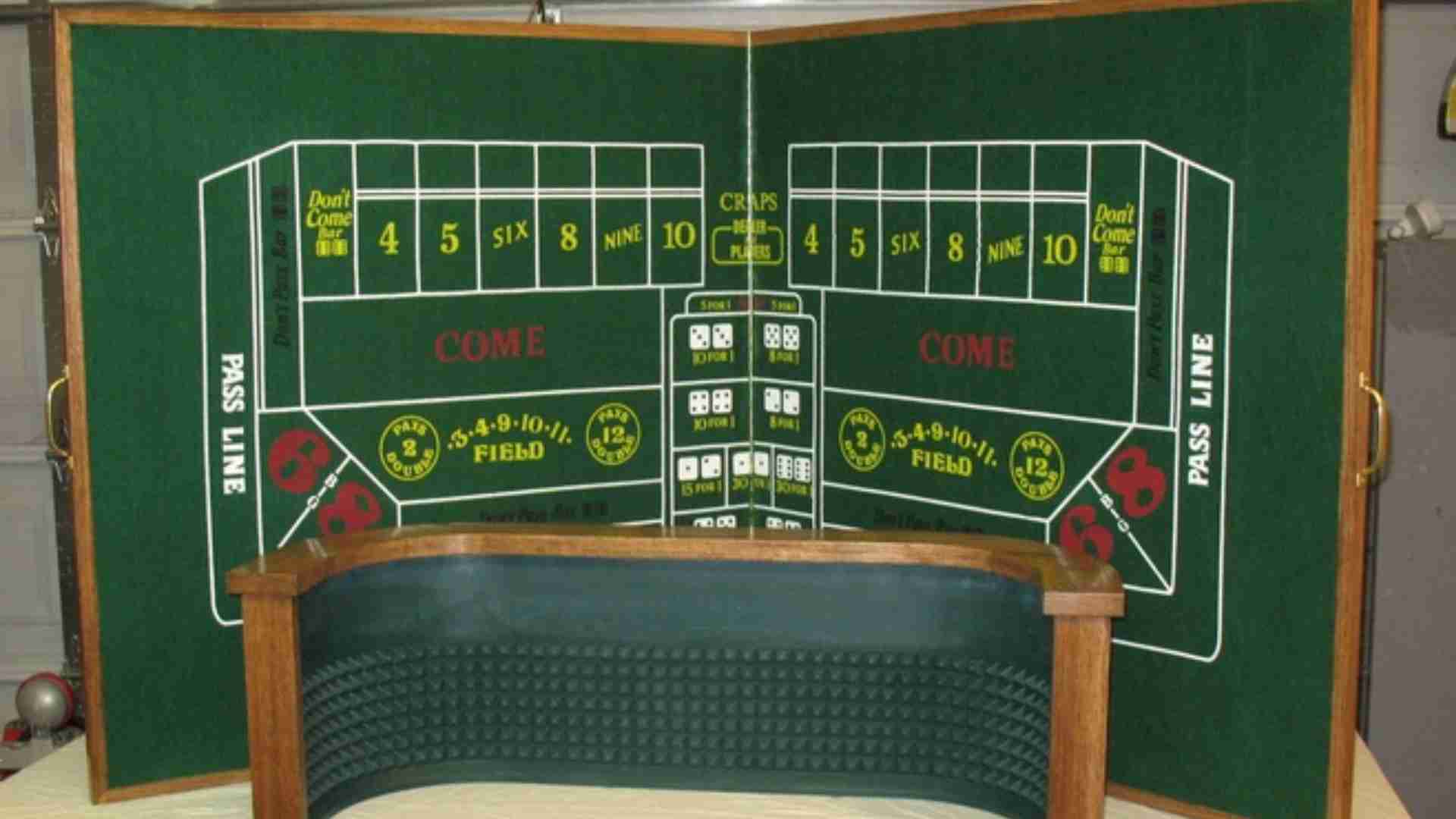
Craps has long been celebrated as one of the most energetic and social table games in land-based venues, but its digital counterpart is rapidly gaining traction among online casino enthusiasts. Transitioning to online real money craps allows players to experience the same tactical depth and fast-paced gameplay from the comfort of home. Understanding how digital dice mechanics function is key to enjoying a seamless session on web-based gaming platforms.
The Fundamental Mechanics of Digital Craps
Online craps replicates the physical layout of a traditional table using sophisticated visual interfaces and random number generators to ensure fair outcomes. The game centers around the roll of two dice, beginning with an initial come-out roll that establishes the groundwork for subsequent rounds. Mastering primary options like the Pass Line and Don't Pass Line helps beginners navigate the board with confidence.
As rounds progress, establishing a point number unlocks additional wagering opportunities such as Come, Don't Come, and Odds bets. Players often analyze various digital platforms, including m88 link alternatif, to compare software responsiveness and available table limits before placing real money stakes. Grasping these foundational steps ensures that every participant can follow the game flow without confusion.
Evaluating Odds and House Edge Differences
One of the main reasons craps remains popular among strategic players is its favorable statistical profile when specific wagers are selected. Basic bets like the Pass Line carry a relatively low house edge of under one and a half percent, making them ideal options for bankroll conservation. Conversely, single-roll proposition bets positioned in the center of the table carry significantly higher margins for the operator.
Taking advantage of free odds wagers is another essential strategy in real money online craps because they carry no house edge at all. By balancing low-risk options with proper bet sizing, players can manage risk far more effectively during extended gaming sessions. Understanding these probability mathematical metrics transforms random guessing into an informed, calculated approach.
RNG vs Live Dealer Craps Formats
Modern online casinos typically offer two main variations of digital craps: software-driven RNG tables and interactive live dealer studios. RNG craps operates at a pace determined entirely by the user, offering a relaxed environment for learning rules and testing new strategies. Live dealer craps, on the other hand, broadcasts real-time physical rolls hosted by a presenter to simulate an authentic casino atmosphere.
Choosing between these two formats depends largely on personal preference for game speed and social interaction. Beginners often start with automated tables to master the betting layout before joining live multiplayer streams. Both formats utilize strict regulatory oversight to guarantee transparent outcomes and protected transactions.
Managing Real Money Bankrolls Responsibly
A key aspect of long-term enjoyment in real money craps is establishing clear financial boundaries before placing the first bet. Setting strict win goals and loss limits prevents emotional decision-making when facing natural variance at the digital table. Division of the total session bankroll into smaller units per roll promotes steady, controlled gameplay over extended periods.
Additionally, avoiding progression systems that require doubling bets after losses helps safeguard funds against unpredictable losing streaks. Smart bettors treat online craps primarily as a form of engaging entertainment rather than a guaranteed source of profit. Maintaining discipline ensures a safer, more satisfying online gaming experience overall.