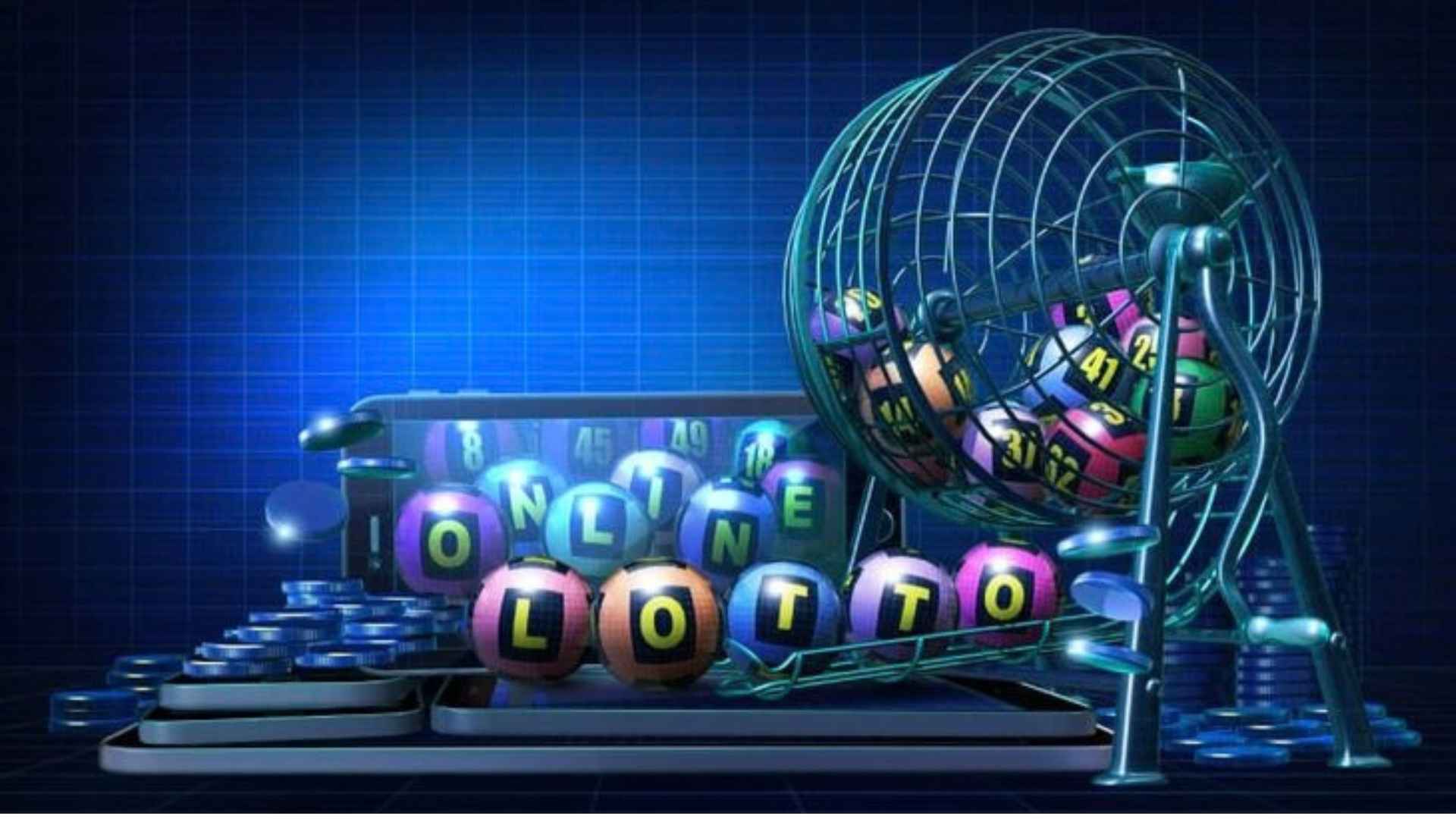
Millions of people around the globe regularly purchase lottery tickets with the dream of hitting a life-changing jackpot. While the excitement of the draw is undeniable, understanding the underlying mathematical odds can provide valuable perspective on how these games operate. Evaluating lottery probability allows participants to approach ticket purchases with realistic expectations and a clear awareness of statistical realities.
The Mathematical Foundations of Lottery Draws
Lottery probability is governed by combinations, which measure the total number of unique ways a set of numbers can be selected. When a game requires players to choose six numbers out of forty-nine, the total possible outcomes reach into the tens of millions. Because every valid combination carries the exact same mathematical likelihood, no single set of numbers is statistically superior to another.
Many players fall into the trap of assuming that past draw results influence future outcomes, a belief known as the gambler's fallacy. In reality, lottery draws are independent events where mechanical or digital randomizers reset the odds completely for every drawing. Those seeking entertainment across various gaming platforms, such as m88 link alternatif, often learn that recognizing independent probabilities is fundamental to responsible engagement.
Comparing Major Jackpot Odds
Large multi-jurisdictional games feature odds that reflect their massive grand prizes, often exceeding one in two hundred million. To make these staggering numbers easier to grasp, statisticians frequently compare them to rare real-world events, such as being struck by lightning or finding a rare pearl. Understanding these comparisons highlights just how extraordinary a jackpot win truly is.
Smaller regional or state lotteries generally offer significantly better odds of winning, though their prize pools are proportionately lower. Players who analyze prize structures often notice that lower-tier secondary prizes carry much higher mathematical probabilities than the central jackpot. Evaluating these tiered rewards gives a more comprehensive picture of the overall return potential.
Common Misconceptions and Strategies
A frequent myth among participants is that selecting frequently drawn numbers or specific date patterns will increase their odds of winning. While picking birthdates limits selections to numbers thirty-one and below, it does not change the probability of those numbers appearing in a random draw. However, choosing less common numbers can prevent you from having to split a potential jackpot with multiple winners.
Purchasing multiple tickets does mathematically improve your overall chances, but the shift in probability remains extremely marginal. For instance, holding ten tickets in a game with one-in-a-hundred-million odds only changes your chance to ten in a hundred million, which remains virtually zero. Realizing this balance helps players avoid overspending in pursuit of minor statistical gains.
Maintaining a Healthy Perspective on Chance
Participating in draw games should always be viewed primarily as a form of casual entertainment rather than a reliable financial strategy or investment plan. Setting strict budgets for ticket purchases ensures that leisure spending does not interfere with essential financial goals. Enjoying the anticipation of the draw is best done with full awareness of the slim statistical probability involved.
By grounding expectations in solid mathematical principles, players can enjoy the experience without falling prey to unrealistic assumptions. Recognizing the true nature of probability encourages safer habits and a clearer understanding of how chance operates in modern gaming. Ultimately, knowledge of the odds empowers individuals to make informed decisions every time they participate.